The Testosterone Kabbalah Framework
The Testosterone Kabbalah maps the upstream metabolic systems that actually control natural testosterone production. Learn why targeting the output fails and how to fix the root causes instead.
Why Most Testosterone Optimization Fails
Every year, men spend billions on testosterone boosters, herbal stacks, and isolated supplements that promise to raise their testosterone. Almost none of them work in any meaningful, lasting way. The reason is simple: they are targeting the output while ignoring everything upstream that actually controls it.
Testosterone is not a switch you flip. It is not a single hormone floating in isolation. It is the final expression of an entire metabolic system -- a cascade that begins with what you eat, how your mitochondria produce energy, whether your gut is leaking endotoxin into your bloodstream, whether your liver can clear estrogen, whether your thyroid is setting the right metabolic rate, and whether a half-dozen interfering hormones are being kept in check. Target any one of those systems and you move the needle. Ignore them and no supplement on earth will save you.
This is the core insight behind the Testosterone Kabbalah -- a systems-level framework that maps the upstream metabolic architecture controlling natural testosterone production. This framework was originally developed and shared by @BerbarianWizard on X, whose deep systems-level analysis of testosterone production has become one of the most shared resources in the metabolic health community. His work synthesizes decades of endocrine research, bioenergetic science, and practical clinical observation into a single coherent map.
At FixMyT, we built our entire platform around this principle: testosterone is an output, not an input. The FixMyT quiz is designed to identify which upstream nodes in your personal metabolic tree are suppressed, so you can target root causes instead of chasing symptoms.
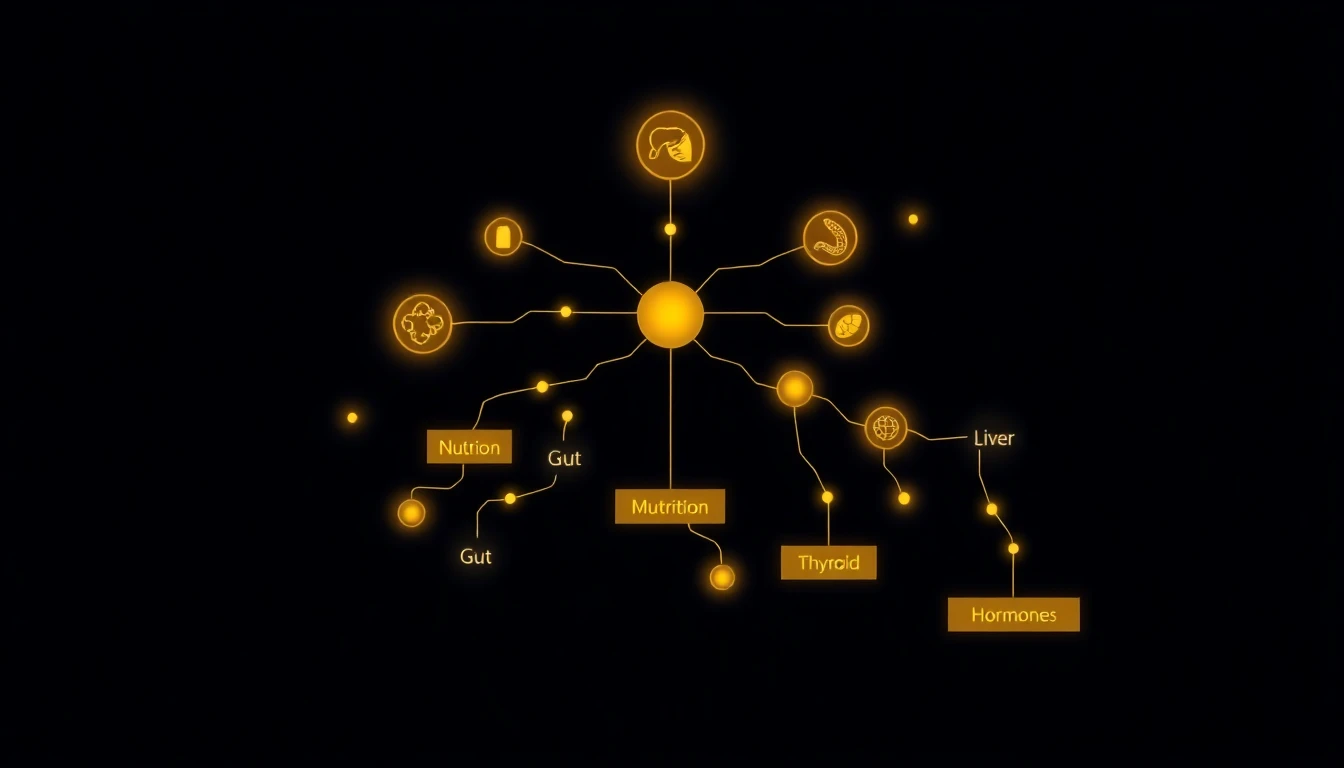
In this article, we will walk through every layer of the Testosterone Kabbalah -- from the nutritional foundation all the way up to androgenic expression -- explaining what each node does, how it connects to testosterone, and what happens when it breaks down.
What Is the Testosterone Kabbalah?
The Testosterone Kabbalah is a metabolic map that organizes the body's testosterone-controlling systems into a hierarchical tree. Think of it like a dependency graph: testosterone sits at the very top as the final output, and everything beneath it represents the upstream systems that must be functioning properly for testosterone to be produced at optimal levels.
The name "Kabbalah" comes from the Tree of Life concept -- an interconnected system where each node depends on those below it. In this framework, each metabolic node feeds into the nodes above. If the foundation is broken, everything above it suffers.
Core principle of the Testosterone Kabbalah: You do not boost testosterone. You remove what suppresses it and restore what supports it.
The framework is organized into four layers:
- The Foundation Layer -- Nutrition and Mitochondria (fuel and energy)
- The Organ Layer -- Gut, Liver, and Thyroid (signal processing and metabolic rate)
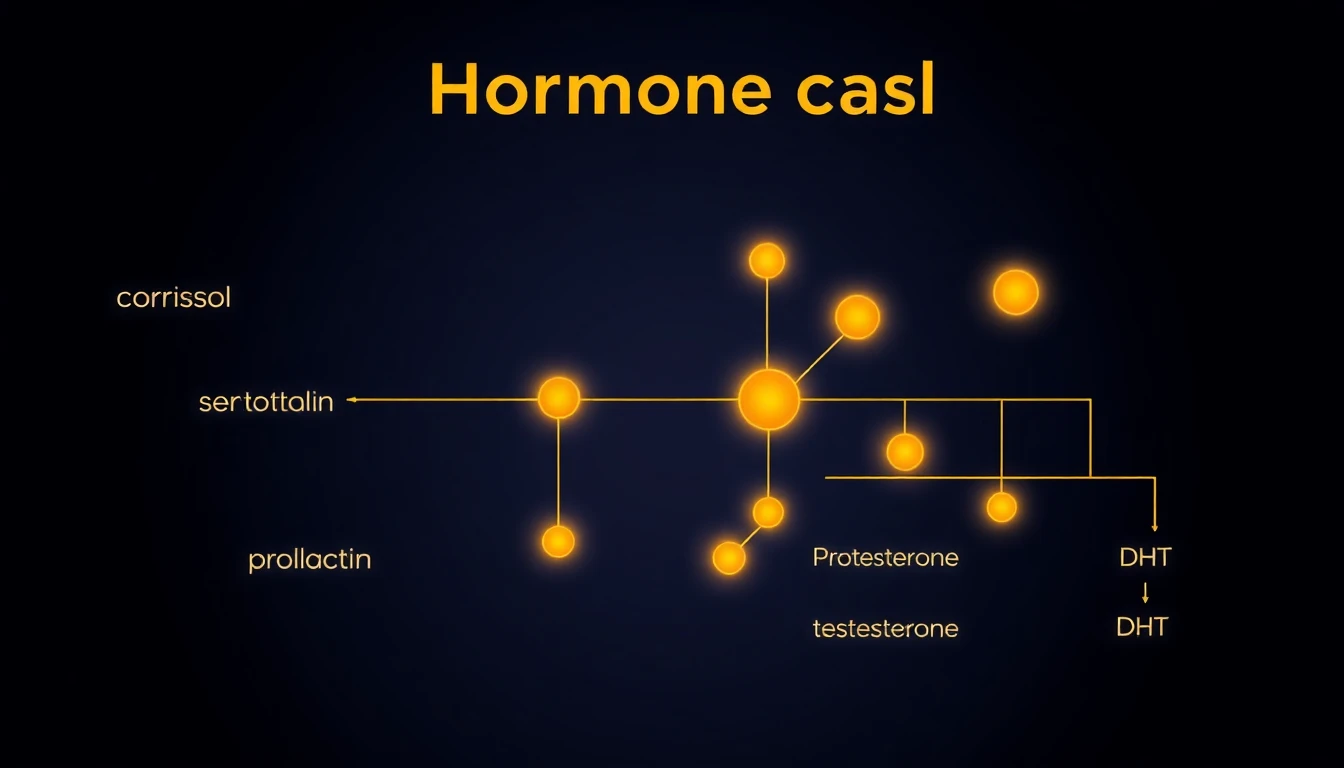
- The Hormonal Interference Layer -- Cortisol, Serotonin, Prolactin (suppressive hormones)
- The Androgen Layer -- Estrogen/Aromatase, Progesterone, DHT, and Testosterone (hormonal expression)
Each layer depends on the one below it. You cannot fix the hormonal interference layer without first addressing the organ layer. You cannot fix the organ layer without a solid nutritional and energetic foundation. This is why isolated interventions fail -- they skip layers.
Let us examine each node in detail.
The Foundation Layer: Fuel and Energy
The bottom of the Testosterone Kabbalah consists of two nodes that provide the raw materials and energy for every biological process in the body. Without these, nothing above works.
Nutrition: The Fuel
Nutrition is the absolute foundation of the Testosterone Kabbalah. Every metabolic process, every hormonal cascade, every enzymatic reaction requires substrates that come from food. Get nutrition wrong and every system above it degrades.
The Testosterone Kabbalah's nutritional framework emphasizes several principles that run counter to mainstream dietary advice:
Glucose and carbohydrate adequacy. The body runs on glucose. The brain requires approximately 120 grams per day. When carbohydrate intake is insufficient, the body must produce glucose through gluconeogenesis -- a cortisol-driven process. This means low-carb diets chronically elevate cortisol, which directly suppresses GnRH, LH, and testosterone production. Adequate carbohydrate intake from clean sources -- fruit, orange juice, honey, well-cooked starches -- stabilizes blood sugar and keeps cortisol in check.
Saturated fat safety. Saturated fats from sources like coconut oil, butter, and animal fats are the preferred substrate for steroidogenesis. Cholesterol, derived largely from saturated fat, is the direct precursor to all steroid hormones including testosterone, progesterone, and cortisol. The demonization of saturated fat has been one of the most destructive nutritional myths for male hormonal health.
PUFA avoidance. This is described as non-negotiable in the Testosterone Kabbalah. Polyunsaturated fatty acids (PUFAs) -- found in seed oils, vegetable oils, nuts, and many processed foods -- accumulate in tissues and mitochondrial membranes. They are highly susceptible to lipid peroxidation, generating reactive oxygen species that damage mitochondria, suppress thyroid function, promote inflammation, and impair steroidogenesis. Removing PUFAs from the diet is one of the highest-leverage interventions in the entire framework.
Mineral adequacy. Calcium and salt are emphasized as commonly under-consumed. Calcium supports cellular signaling and muscular function. Adequate sodium keeps aldosterone low and supports blood volume and adrenal function. Fear of salt has left many men chronically sodium-depleted, forcing their adrenals to work harder and raising cortisol as a consequence.
Key insight: Nutrition is not about restriction. It is about providing the body with adequate fuel -- clean carbohydrates, saturated fats, protein, and minerals -- so that every downstream system has the substrates it needs.
Mitochondria: The Energy Engine
If nutrition provides the fuel, mitochondria are the engines that convert it into usable energy. The Testosterone Kabbalah places mitochondria second in the hierarchy because hormones follow energy. Without adequate cellular energy production, the body cannot afford to invest in reproduction -- and testosterone production is, at its core, a reproductive investment.
Mitochondrial function in the Testosterone Kabbalah centers on several key markers:
ATP production. Adenosine triphosphate is the energy currency of the cell. Every step of steroidogenesis -- from cholesterol transport into the mitochondria to the final enzymatic conversions -- requires ATP. Low ATP means low hormonal output, period.
NAD+/NADH redox balance. Nicotinamide adenine dinucleotide (NAD+) is essential for hundreds of enzymatic reactions, including those in the electron transport chain. The ratio of NAD+ to NADH reflects the cell's metabolic health. A low ratio indicates impaired oxidative metabolism.
CO2 production. Carbon dioxide is not just a waste product. It is a marker of efficient oxidative metabolism. Adequate CO2 improves oxygen delivery to tissues (the Bohr effect), supports pH buffering, and reflects healthy mitochondrial function. People with low CO2 production often have cold hands, poor circulation, and low energy.
Reactive oxygen species (ROS) burden. While some ROS signaling is normal, excessive ROS from damaged mitochondria, PUFA-laden membranes, or environmental toxins overwhelm antioxidant defenses and damage cellular machinery. This is one of the primary mechanisms by which PUFA consumption impairs hormonal health.
The Testosterone Kabbalah identifies several key mitochondrial supports:
- Thiamine (B1) -- Activates pyruvate dehydrogenase (PDH), the enzyme that bridges glycolysis to the Krebs cycle. Without adequate B1, carbohydrates cannot be efficiently oxidized. This is arguably the single most important B vitamin for energy metabolism.
- Niacinamide (B3) -- Directly replenishes NAD+, supporting the electron transport chain and hundreds of metabolic enzymes.
- Magnesium -- Required cofactor for ATP (ATP actually exists as Mg-ATP in the cell). Magnesium deficiency impairs virtually every energy-dependent process.
- Vitamin K2 (MK-4) -- Supports mitochondrial electron transport and has been shown to support testosterone production directly in animal studies.
- Methylene blue -- A mitochondrial electron carrier that can bypass damaged complexes in the electron transport chain, improving ATP production even when mitochondria are partially dysfunctional.
Key insight from the Testosterone Kabbalah: "Hormones follow energy." If your mitochondria are not producing enough ATP, your body will downregulate every expensive biological process -- and testosterone production is one of the first to go.
The Organ Layer: Processing and Rate-Setting
Above the foundation sit three organ systems that process signals, filter toxins, and set the overall metabolic rate. These are the workhorses of the Testosterone Kabbalah -- the systems that translate raw fuel and energy into hormonal potential.
Gut: The Signal Hub
The gut is far more than a digestive organ. It is the body's largest immune interface, a major endocrine organ, and the primary source of one of testosterone's most powerful suppressors: endotoxin.
The Testosterone Kabbalah identifies endotoxin -- specifically lipopolysaccharide (LPS) from gram-negative bacterial cell walls -- as the single strongest suppressor of testosterone in the entire framework. When the gut barrier is compromised (leaky gut), LPS enters the bloodstream and triggers a cascade of inflammatory responses:
- TLR4 activation -- Toll-like receptor 4 binds LPS and initiates a systemic inflammatory response
- Cortisol elevation -- The adrenals respond to inflammation by increasing cortisol output
- Serotonin spike -- Gut inflammation increases serotonin production (more on this below)
- Prolactin increase -- Inflammation-driven prolactin elevation suppresses reproductive hormones
- Direct testicular suppression -- LPS can act directly on Leydig cells to suppress testosterone synthesis
A critical and often overlooked insight from the Testosterone Kabbalah is that 90% of gut issues are secondary to low thyroid function. The thyroid sets gut motility, stomach acid production, and bile flow. When thyroid function is low, the gut slows down, bacteria overgrow, and endotoxin production increases. This creates a vicious cycle: poor gut health suppresses thyroid, low thyroid worsens gut health.
Some bacteria actively work against testosterone. Mycobacterium neoaurum, for example, has been shown to enzymatically degrade testosterone. On the other hand, certain probiotic species support testosterone production:
- Lactobacillus reuteri -- Has been shown to increase testicular size and testosterone in animal models
- Lactobacillus plantarum -- Supports gut barrier integrity and reduces endotoxin translocation
- Faecalibacterium prausnitzii -- A major butyrate producer that supports gut lining health
Practical gut supports in the Testosterone Kabbalah include the raw carrot salad (insoluble fiber that binds endotoxin in the gut and helps excrete it), white button mushrooms (contain compounds that inhibit aromatase), and zinc carnosine (supports gut mucosal healing).
Liver: The Filter
The liver sits at a critical junction in the Testosterone Kabbalah. It performs several functions that directly impact testosterone levels:
Estrogen clearance. The liver is responsible for conjugating and excreting estrogen. When liver function is impaired -- by alcohol, PUFA accumulation, or metabolic overload -- estrogen clearance slows, estrogen accumulates, and testosterone is suppressed through increased aromatase activity and negative feedback.
T4 to T3 conversion. The thyroid gland primarily produces T4 (thyroxine), a relatively inactive prohormone. The liver converts approximately 60% of T4 to active T3 (triiodothyronine) through the deiodinase enzymes. A sluggish liver means less T3, which means a lower metabolic rate, which means less energy for hormone production.
Bile production and flow. Bile is the liver's primary excretory pathway. It carries conjugated estrogens, toxins, and metabolic waste into the gut for elimination. Poor bile flow means these substances are reabsorbed -- a process called enterohepatic recirculation that keeps estrogen levels chronically elevated.
Glycogen storage. The liver stores glucose as glycogen, providing a buffer against blood sugar crashes. When liver glycogen is depleted (from fasting, low carb diets, or liver dysfunction), the body must rely on cortisol and adrenaline to mobilize glucose -- further suppressing testosterone.
The Testosterone Kabbalah identifies these key liver supports:
- Choline -- Essential for VLDL export and preventing fatty liver. Egg yolks are the best dietary source.
- Taurine / TUDCA -- Support bile flow and conjugation. TUDCA (tauroursodeoxycholic acid) is particularly effective at improving bile acid composition.
- Glycine -- Supports Phase II liver detoxification (conjugation). Glycine is conditionally essential and most people do not consume enough. Gelatin and collagen are rich sources.
- Creatine -- Reduces the liver's burden of methylation, freeing up methyl groups for other processes including estrogen detoxification.
- Niacinamide -- Supports NAD+ in hepatocytes and protects against fatty liver.
- Vitamin E -- Protects liver cell membranes from PUFA-induced lipid peroxidation. Mixed tocopherols are preferred.
- Coffee -- Epidemiologically associated with lower rates of liver disease and improved liver enzyme profiles. The mechanism likely involves caffeine's stimulation of liver metabolism and bile flow.
Thyroid: The Rate Setter
The thyroid is arguably the most important single node in the Testosterone Kabbalah after nutrition. It sets the metabolic rate -- the speed at which every chemical reaction in the body occurs. When thyroid function is low, everything slows down: energy production falls, cortisol rises to compensate, estrogen clearance stalls, gut motility drops, and testosterone production plummets.
Testosterone Kabbalah principle: Low thyroid function creates a hormonal environment that is anti-testosterone by definition. Cortisol rises. Estrogen accumulates. Prolactin increases. SHBG may change. Every suppressive hormone in the framework is amplified by hypothyroidism.
The signs of low thyroid function are often dismissed or misattributed:
- Low waking body temperature (below 36.6C / 97.8F)
- Low resting pulse (below 75 BPM)
- Cold hands and feet
- Constipation
- Dry skin and hair loss
- Morning fatigue and brain fog
- Inability to lose weight despite calorie restriction
The Testosterone Kabbalah uses two simple markers to assess thyroid function: waking body temperature (target: 36.6-36.8C) and resting pulse (target: 75-85 BPM). These are more practically useful than blood tests for most people, as they reflect actual cellular metabolic rate rather than circulating hormone levels.
Key thyroid-supporting nutrients include:
- Thiamine (B1) -- Required for oxidative metabolism; deficiency mimics hypothyroidism
- Niacinamide (B3) -- Supports NAD+ for thyroid hormone production and action
- Biotin -- Involved in thyroid hormone synthesis pathways
- Selenium -- Required cofactor for the deiodinase enzymes that convert T4 to T3. Also supports glutathione peroxidase, protecting the thyroid from oxidative damage during hormone production
- Iodine -- The raw material for thyroid hormone. Each molecule of T4 contains four iodine atoms. Deficiency is more common than appreciated, especially in populations that have reduced salt intake
The interplay between these organ systems is crucial. The gut produces signals that reach the liver. The liver processes those signals and converts thyroid hormone. The thyroid sets the rate at which the gut and liver function. They are deeply interdependent, and the Testosterone Kabbalah maps these connections explicitly.
The Hormonal Interference Layer: What Suppresses Testosterone
Above the organ layer sit three hormonal systems that act as brakes, suppressors, and interfering signals. When these are elevated, testosterone production is directly impaired regardless of how well the foundation and organ layers are functioning.
Cortisol: The Brake
Cortisol is the body's primary stress hormone, and its relationship with testosterone is fundamentally antagonistic. They share the same precursor (pregnenolone), and the body will always prioritize survival (cortisol) over reproduction (testosterone).
The Testosterone Kabbalah identifies cortisol as a brake on testosterone through several mechanisms:
- GnRH/LH suppression -- Cortisol directly suppresses the hypothalamic release of GnRH and pituitary release of LH, reducing the signal to produce testosterone
- Aromatase upregulation -- Chronic cortisol increases the activity of aromatase, the enzyme that converts testosterone to estrogen
- Visceral fat promotion -- Cortisol promotes the accumulation of visceral adipose tissue, which is itself an aromatase-producing organ
- Pregnenolone steal -- Under chronic stress, more pregnenolone is shunted toward cortisol production and away from the testosterone pathway
What raises cortisol chronically? Low blood sugar (inadequate carbs), sleep deprivation, psychological stress, endotoxin exposure, excessive exercise, and inflammation. Notice how many of these connect back to the foundation and organ layers -- this is why the Testosterone Kabbalah is hierarchical.
Cortisol-lowering strategies in the framework include:
- Adequate carbohydrate intake -- Prevents gluconeogenesis-driven cortisol spikes
- Salt -- Adequate sodium reduces aldosterone and the adrenal burden
- Sleep -- 7-9 hours in a dark, cool room
- Sunlight -- Morning light exposure resets the cortisol circadian rhythm
- Magnesium -- Modulates the HPA axis and supports GABA receptor function
- L-Theanine -- Promotes alpha brain wave activity and reduces cortisol without sedation
Serotonin: The Hidden Suppressor
This is perhaps the most counterintuitive node in the Testosterone Kabbalah for those steeped in mainstream health messaging. Serotonin is widely regarded as the "happiness hormone," but the framework presents a very different picture.
Approximately 90% of the body's serotonin is produced in the gut, not the brain. In the gut, serotonin functions as an inflammatory mediator, not a mood regulator. Elevated peripheral serotonin is associated with:
- Inflammation -- Serotonin activates inflammatory pathways and promotes mast cell degranulation
- Depression (paradoxically) -- The serotonin theory of depression has been largely debunked. Elevated peripheral serotonin is actually associated with worse mood outcomes
- High prolactin -- Serotonin stimulates prolactin release from the pituitary, directly suppressing testosterone
- Low thyroid function -- Serotonin suppresses TSH release and thyroid hormone production
- Gut dysfunction -- Excess serotonin increases gut motility abnormally (diarrhea) or, when receptors are desensitized, contributes to motility issues
What raises serotonin? The Testosterone Kabbalah identifies three primary drivers: endotoxin (LPS stimulates serotonin release from enterochromaffin cells), estrogen (estrogen increases tryptophan hydroxylase, the enzyme that produces serotonin), and chronic stress (stress shifts tryptophan metabolism toward the serotonin pathway).
Strategies for reducing excess serotonin include:
- Gelatin and collagen -- Rich in glycine and low in tryptophan (the serotonin precursor). Shifting the amino acid profile away from tryptophan and toward glycine is a simple dietary intervention
- Cyproheptadine -- A first-generation antihistamine that is also a potent serotonin antagonist. Used clinically for appetite stimulation and migraine prevention, it has been shown to lower serotonin and prolactin
- Gut health optimization -- Reducing endotoxin exposure reduces the primary driver of peripheral serotonin production
Prolactin: The Reproductive Shutdown Signal
Prolactin is named for its role in lactation, but its effects extend far beyond nursing. In men, elevated prolactin is a direct signal for reproductive shutdown. It acts as one of the most powerful suppressors of the HPG (hypothalamic-pituitary-gonadal) axis.
Prolactin suppresses testosterone through:
- GnRH suppression -- Prolactin directly inhibits hypothalamic GnRH neurons
- LH reduction -- Less GnRH means less LH signal reaching the testes
- Testosterone suppression -- Direct inhibitory effects on Leydig cell function
- DHT reduction -- Prolactin inhibits 5-alpha reductase, reducing conversion of testosterone to the more potent DHT
- Libido destruction -- Even mild hyperprolactinemia can eliminate sexual desire
What raises prolactin? The Testosterone Kabbalah identifies: serotonin (the primary driver), estrogen, stress, poor sleep, and certain medications (antipsychotics, SSRIs). Note the cascading connections -- endotoxin raises serotonin, which raises prolactin, which suppresses testosterone. This is why treating one node in isolation rarely works.
Prolactin-lowering strategies include:
- Sleep quality -- Prolactin rises with sleep deprivation. Adequate deep sleep is essential
- Zinc -- Inhibits prolactin release at the pituitary level
- Vitamin E -- Has been shown to reduce prolactin in clinical studies
- Pyridoxal-5-phosphate (P5P) -- The active form of vitamin B6, which supports dopamine synthesis. Dopamine is the primary inhibitor of prolactin release
- Dopamine support -- Dopamine tonically inhibits prolactin. Anything that supports healthy dopaminergic tone helps keep prolactin suppressed
The Androgen Layer: Expression and Protection
The top of the Testosterone Kabbalah contains the hormones most directly involved in androgenic function. These are the nodes that people typically focus on -- but as the framework makes clear, they are outputs of everything below.
Estrogen and Aromatase: The Interference System
Estrogen in men is produced primarily through the action of aromatase, an enzyme that converts testosterone to estradiol. Some estrogen is necessary for bone health, brain function, and cardiovascular health. But excess estrogen -- driven by poor liver clearance, high body fat, PUFA consumption, or environmental exposures -- creates a testosterone-hostile environment.
The Testosterone Kabbalah characterizes estrogen as:
- Anti-respiratory -- Estrogen impairs mitochondrial oxidative metabolism
- Anti-thyroid -- Estrogen increases thyroid-binding globulin (TBG), reducing free thyroid hormone availability
- Pro-serotonin -- Estrogen increases tryptophan hydroxylase expression, raising serotonin
- Pro-prolactin -- Estrogen stimulates lactotroph cells in the pituitary
This creates a reinforcing loop: estrogen raises serotonin and prolactin, which suppress testosterone, which means relatively more estrogen (since less testosterone means the aromatase ratio shifts). Breaking this cycle requires addressing it from multiple angles simultaneously.
Strategies for managing estrogen and aromatase in the framework include:
- Liver optimization -- The primary route of estrogen clearance. Everything that supports liver function (choline, taurine, glycine) supports estrogen clearance
- Aspirin -- Low-dose aspirin has been shown to inhibit aromatase activity
- Vitamin E -- Anti-estrogenic effects through multiple mechanisms
- Progesterone -- The natural antagonist of estrogen (see next section)
- Orange juice / Naringenin -- Naringenin, a flavonoid in citrus, is a natural aromatase inhibitor
- Body fat reduction -- Adipose tissue is a major source of aromatase. Reducing body fat reduces estrogen production
Progesterone: The Protective Shield
Progesterone is often overlooked in men's health, but the Testosterone Kabbalah positions it as a critical protective hormone. Progesterone is the natural counterbalance to estrogen and serves multiple functions:
- Anti-estrogen -- Progesterone directly opposes estrogen's effects at the receptor level
- Pro-thyroid -- Progesterone supports thyroid hormone production and activity
- Calcium stabilization -- Progesterone helps regulate intracellular calcium signaling
- Stress reduction -- Progesterone is converted to allopregnanolone, a potent GABA-A receptor modulator with calming effects
- 5-alpha reductase support -- Progesterone is itself a substrate for 5-alpha reductase and supports the enzyme's activity
Progesterone is produced in men primarily by the adrenal glands and testes. It is a precursor to both testosterone and cortisol in the steroidogenic pathway. When progesterone is low, the body lacks both a key testosterone precursor and its primary anti-estrogenic defense.
DHT: The Amplifier
Dihydrotestosterone (DHT) is the Testosterone Kabbalah's amplification node. DHT is produced from testosterone by the enzyme 5-alpha reductase and has approximately 5 times the binding affinity for the androgen receptor compared to testosterone.
DHT is the hormone primarily responsible for:
- Male secondary sexual characteristics
- Libido and sexual function
- Muscle hardness and strength
- Confidence and assertiveness
- Prostate function
Unlike testosterone, DHT cannot be aromatized to estrogen. This makes it a "terminal" androgen -- it exerts its effects without the risk of being converted into a suppressive hormone. The Testosterone Kabbalah views DHT as the true endpoint of androgenic expression.
DHT is supported by:
- Thyroid function -- Thyroid hormones upregulate 5-alpha reductase activity
- Creatine -- Has been shown in some studies to increase DHT levels, possibly by supporting 5-alpha reductase
- Zinc -- Supports 5-alpha reductase function and inhibits aromatase
- Low PUFA intake -- PUFAs inhibit 5-alpha reductase. Removing them allows the enzyme to function optimally
Testosterone: The Final Expression
At the very top of the Testosterone Kabbalah sits testosterone itself -- not as a starting point, but as the final expression of the entire metabolic tree below it.
The central teaching of the Testosterone Kabbalah: "You do not boost testosterone. You remove what suppresses it."
This single statement encapsulates the entire framework. Testosterone is not low because of a testosterone deficiency. Testosterone is low because something in the upstream system is broken: nutrition is inadequate, mitochondria are damaged, the gut is leaking endotoxin, the liver cannot clear estrogen, the thyroid is underperforming, cortisol is chronically elevated, serotonin is inflamed, or prolactin is shutting down the reproductive axis.
Fix the upstream problems and testosterone rises naturally. This is not theory -- it is the observed clinical outcome when the metabolic tree is systematically addressed from the bottom up.
Why Testosterone Supplements Do Not Work

Understanding the Testosterone Kabbalah makes it immediately obvious why most testosterone-boosting supplements fail. They attempt to push the output without addressing the inputs.
Tribulus, ashwagandha, fenugreek, and similar "T-boosters" may have modest acute effects, but they do not address the metabolic architecture. If your gut is leaking endotoxin, no amount of tribulus will overcome the cortisol-serotonin-prolactin cascade that is suppressing your HPG axis.
Exogenous testosterone (TRT) solves the output problem but creates new ones: testicular atrophy, HPG axis suppression, potential estrogen elevation from aromatization, and lifelong dependency. TRT has its place, but it is the equivalent of bypassing the entire tree rather than fixing it.
Isolated nutrient supplementation (zinc alone, vitamin D alone, magnesium alone) addresses single points in the tree but ignores the systemic nature of the problem. Zinc helps, but zinc without addressing PUFA intake, liver function, and thyroid health will have limited impact.
The Testosterone Kabbalah framework explains why lifestyle interventions often outperform supplements: sleep, sunlight, stress management, and diet changes address multiple nodes simultaneously. A man who sleeps 8 hours, eats adequate carbohydrates, avoids PUFAs, and gets morning sunlight is addressing cortisol, thyroid, mitochondrial function, and circadian rhythm all at once.
This is the power of systems thinking applied to hormone optimization. Individual interventions have individual effects. Systemic interventions have compounding effects.
How to Apply the Testosterone Kabbalah
The framework is not just theoretical. But applying it effectively requires knowing where your tree is broken -- because every man's metabolic bottleneck is different. One man's primary issue might be PUFA-damaged mitochondria. Another's might be a congested liver failing to clear estrogen. Guessing wastes months. Mapping your tree first saves them.
This is exactly why we built FixMyT. The platform turns the Testosterone Kabbalah from a theoretical framework into a personalized action plan. Here is how to use it, working from the bottom of the tree upward:
Step 0: Map Your Personal Metabolic Tree
Before changing anything, find out where your tree is actually blocked. The FixMyT quiz walks you through a series of questions about your symptoms, lifestyle, diet, and health history -- then maps your answers against every node in the Testosterone Kabbalah.
In under 5 minutes, you will see:
- Which layer of your tree has the biggest problems (Foundation, Organ, Hormonal, or Androgen)
- Which specific nodes are suppressed or dysfunctional
- Where to start -- the quiz prioritizes your interventions so you work bottom-up, not randomly
You can also explore the framework visually with the FixMyT demo, which lets you interact with the metabolic tree and see how each node connects to the ones above and below it.
Why this matters: Two men can both have low testosterone, but for completely different upstream reasons. The quiz identifies your reasons, so every intervention you make is targeted rather than generic.
Step 1: Fix the Foundation
Your quiz results will show whether your Foundation layer -- nutrition and mitochondria -- needs attention. If it does, these changes are free or inexpensive and have the broadest impact:
- Remove PUFAs -- Eliminate seed oils, vegetable oils, and reduce nut consumption. Switch to coconut oil, butter, olive oil, and animal fats
- Eat adequate carbohydrates -- Fruit, orange juice, honey, well-cooked potatoes and rice. Do not fear sugar from whole food sources
- Ensure adequate protein -- Prioritize gelatin/collagen alongside muscle meats to balance the amino acid profile
- Add key cofactors -- Thiamine (B1), niacinamide (B3), and magnesium are the minimum effective stack for mitochondrial support
Once you start making changes, use the FixMyT dashboard to log daily check-ins. The dashboard tracks the metabolic markers that tell you whether your foundation is improving -- waking temperature, resting pulse, energy levels, and digestion quality. Over days and weeks, you will see your baseline shift.
Step 2: Support the Organs
Once the foundation is solid -- and your check-in data confirms it (stable temperature, improving energy) -- address the organ layer:
- Gut -- Raw carrot salad daily, reduce endotoxin exposure through proper food hygiene, consider zinc carnosine if gut symptoms are present
- Liver -- Eat egg yolks (choline), drink coffee, consider glycine/collagen supplementation, avoid alcohol
- Thyroid -- Track waking temperature and pulse. Ensure selenium and iodine intake. If temperatures and pulse remain low despite nutritional optimization, further investigation may be warranted
The FixMyT dashboard tracks gut, liver, and thyroid indicators as part of your regular check-ins. If your quiz flagged thyroid as a weak node, you will see a dedicated thyroid tracking view that watches for your waking temperature to trend toward 36.6-36.8C and your resting pulse toward 75-85 BPM -- the Testosterone Kabbalah's two core markers of adequate metabolic rate.
Step 3: Address Hormonal Interference
With the foundation and organs supported, many of the hormonal interference issues will begin to resolve on their own. Your check-in data will show this -- improving sleep quality, reduced anxiety, and better mood all indicate that cortisol, serotonin, and prolactin are normalizing. However, targeted support can accelerate the process:
- Cortisol -- Optimize sleep, eat enough carbs and salt, morning sunlight, magnesium before bed
- Serotonin -- Increase gelatin/collagen intake, reduce tryptophan-heavy protein sources relative to glycine-rich ones
- Prolactin -- Prioritize deep sleep, zinc, vitamin E, and P5P (active B6)
Step 4: Optimize Androgen Expression
Only after the lower layers are addressed should you focus on the top of the tree:
- Estrogen management -- Support liver function, reduce body fat if elevated, consider naringenin (citrus) and vitamin E
- Progesterone support -- Often rises naturally when thyroid and cortisol are optimized
- DHT support -- Creatine supplementation, adequate zinc, low PUFA intake
- Testosterone -- Should be rising naturally at this point. If not, reassess the lower nodes
This is where FixMyT's lab integration becomes powerful. When you enter bloodwork results, the platform maps your hormone levels directly onto the Testosterone Kabbalah -- showing you whether estrogen is elevated relative to testosterone, whether thyroid hormones are converting properly, and whether prolactin is in range. Instead of staring at a lab report wondering what the numbers mean, you see exactly which nodes in your metabolic tree the labs confirm as weak or strong.
Tracking Progress
The Testosterone Kabbalah provides its own built-in progress markers, and the FixMyT dashboard is designed to track every one of them over time:
- Waking temperature trending toward 36.6-36.8C
- Resting pulse trending toward 75-85 BPM
- Warm hands and feet
- Regular, easy bowel movements (gut health)
- Improved sleep quality (cortisol/serotonin normalization)
- Increased morning erection frequency and quality (androgen expression)
- Improved mood and motivation (dopamine/prolactin balance)
These markers are often more useful than blood tests for tracking real metabolic improvement, because they reflect cellular function rather than circulating hormone levels at a single point in time. The dashboard turns these subjective signals into a visual trend -- so you can see whether what you are doing is actually working, week over week, and adjust your approach based on real data rather than guesswork.
The bottom line: The Testosterone Kabbalah gives you the map. FixMyT gives you the compass, the tracking, and the personalized route. Take the quiz to find out where your tree needs attention.
The Power of Systems Thinking
The Testosterone Kabbalah represents a fundamental shift in how we think about hormone optimization. Instead of chasing a single number on a blood test, it maps the entire upstream architecture and shows you where the real bottlenecks are.
This is why two men with identical testosterone levels can feel completely different -- one thriving, the other struggling. The number on the blood test is just the output. The metabolic tree behind that number is what determines how you actually feel and function.
The framework also explains why some men respond dramatically to simple interventions while others see no change. If your primary bottleneck is PUFA accumulation in mitochondrial membranes, removing seed oils from your diet could transform your energy and hormones within weeks. If your bottleneck is chronic gut dysbiosis, you might need months of gut healing work before the downstream effects reach testosterone.
Conclusion
The Testosterone Kabbalah, as developed by @BerbarianWizard, provides the most comprehensive framework available for understanding natural testosterone production as a systems-level phenomenon. It maps every upstream node -- from basic nutrition through mitochondrial energy, gut integrity, liver function, thyroid rate, and hormonal interference -- to show why testosterone is an output, not an input.
The core message is both simple and profound: you do not boost testosterone. You identify what is suppressing it and you fix those upstream systems. The result is not just higher testosterone but a comprehensively healthier metabolism -- better energy, better sleep, better mood, better body composition, and better quality of life.
At FixMyT, we turned this framework into a platform you can actually use:
- Take the quiz -- Map your personal metabolic tree in under 5 minutes. Find out which upstream nodes are blocked and where to start.
- Explore the demo -- Interact with the Testosterone Kabbalah visually. See how every node connects and what happens when one breaks.
- Track your progress -- Log daily check-ins, enter lab results, and watch your metabolic markers improve over weeks and months.
Your body is not broken. It is blocked. The Testosterone Kabbalah shows you where. FixMyT shows you how to fix it.
This article is for educational and informational purposes only and does not constitute medical advice. Consult with a qualified healthcare provider before making changes to your health regimen.